About the Training
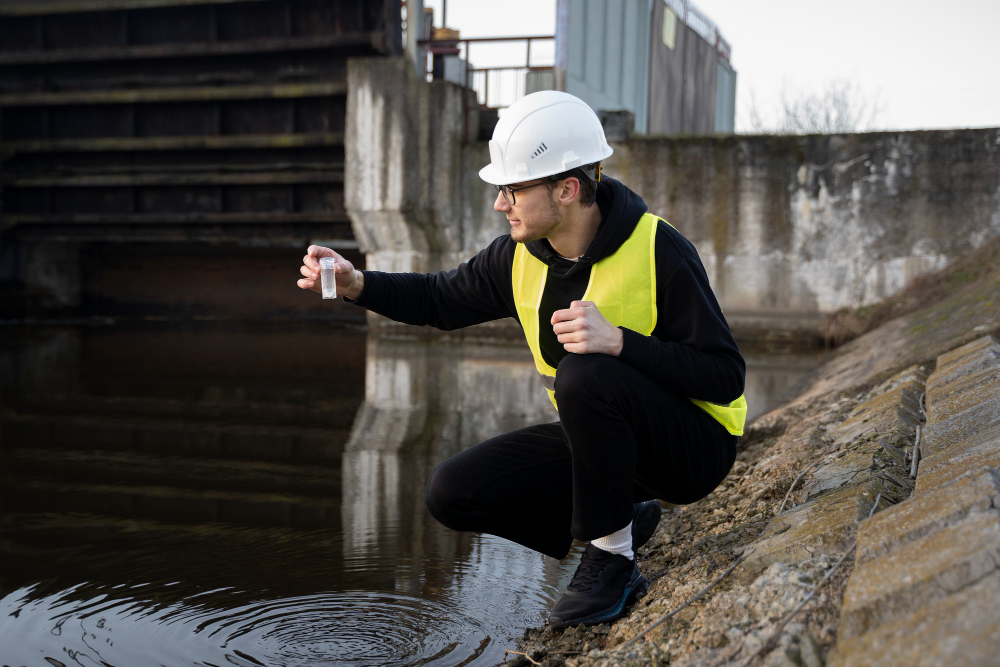
Sewage Treatment Plant (STP) Operating Training provides practical knowledge on sewage treatment processes, plant operation, and maintenance. The program covers influent characteristics, primary and secondary treatment, aeration systems, sludge handling, monitoring, troubleshooting, safety practices, and statutory compliance. Designed for operators, supervisors, and engineers to ensure efficient treatment, environmental compliance, and reliable STP performance.
Training Contents
- Introduction to STP
- Step 1: Components of an STP.
- Step 2: STP Treatment Process Flow.
- Step 3: Operating Procedures (Daily Tasks)
- Step 4: Parameters to Monitor.
- Step 5: Blower & Pump Operation.
- Step 6: Chemical Handling & Dosing
- Step 7: STP Safety Requirements.
- Step 8: Sludge Management.
- Step 9: STP Troubleshooting.
- Step 10: Maintenance Procedures.
- Step 11: STP Documentation & Records
- Step 12: Environmental Compliance
- Step 13: Emergency Response.
- Step 14:Practical Demonstration (On-Site)
- Step 15: Assessment & Certification.
- Case Studies and Examples.
- Interactive Activities.
- Measuring Success.
- Positive Impacts and Opportunities.
- Documentation and Recordkeeping.
Why Choose Us?
- HSE India Services has a competent team with highly professional skills to conduct the trainings.
- Professionals are more experienced in the EHS field.
- We would provide video to understand the concept of the training
 How May I Help You
